Choosing the right material for your exterior door is about striking a balance between curb appeal and practical performance. While there are many options on the market, two prominent choices are wood and fiberglass. This door material comparison guide will walk you through the nuances of both, helping you make the best choice.
Fiberglass Doors
Fiberglass doors are composite doors made from a durable plastic strengthened with glass fibers, designed to mimic the look of wood or provide a smooth finish. Their construction makes them energy-efficient, highly durable and low-maintenance. They consist of two fiberglass skins, a foam insulation core, and usually a wood or composite frame. The foam core is injected between the outer skins, filling every crevice to provide structural strength and significant thermal resistance.
Manufacturers use high-definition compression molding to create skins that accurately mimic the texture of real wood grain. By casting the fiberglass molds from actual pieces of premium wood, such as oak, mahogany or fir, the finished product captures the random grain patterns and texture of the original lumber. Once stained or painted, these doors are nearly indistinguishable from real wood to the naked eye.
Wood Doors
Wood doors have long been the standard for residential entryways. They are constructed using natural timber, which gives them a substantial weight and a solid feel. Construction typically follows a stile-and-rail method, incorporating vertical and horizontal pieces to hold the panels in place. High-quality wood doors are often made from solid hardwoods or an engineered wood core covered with thick, premium veneers.
Wood can be carved, sanded and shaped to fit precise architectural requirements. It features a classic aesthetic and is often required for historical preservation projects, where maintaining the original material composition is crucial. However, because wood is a natural, organic material, it behaves differently from synthetic composites, reacting biologically to its surrounding environment.
Fiberglass vs. Wood Exterior Doors
To choose the ideal exterior door, you’ll need to compare how these materials perform in real-world conditions.
Design Versatility and Aesthetics
Aesthetics are often the first consideration for homeowners. Fiberglass doors offer immense design versatility. Because the skins are molded, they can be manufactured to replicate a wide variety of wood species, from the rustic knots of alder to the smooth, tight grain of cherry. Additionally, fiberglass is available in both smooth and textured surfaces. If you want a bold, vibrant-colored front door, smooth fiberglass holds paint exceptionally well.
Meanwhile, solid wood doors offer an authentic, one-of-a-kind appearance. Because no two pieces of timber are identical, every wood door has unique grain patterns and variations. Wood can also be refinished with different stain colors over its lifespan, whereas fiberglass is typically finished once. However, when weighing the pros and cons of fiberglass doors, the ability to mimic wood without the risk of surface variations or defects is a considerable benefit for modern construction.
Insulation and Energy Efficiency
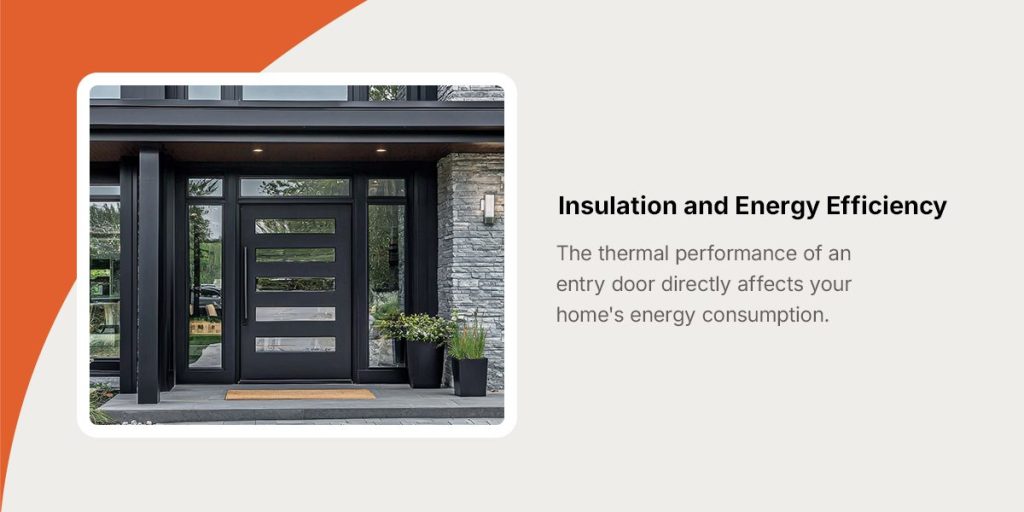
The thermal performance of an entry door directly affects your home’s energy consumption. Fiberglass doors are energy-efficient. The polyurethane foam core found in most fiberglass doors offers an exceptional R-value, the measure of thermal resistance. This core acts as a barrier, keeping hot air out during the summer and preventing heat from escaping during the winter. It is essentially a thermal break that sits right in your entryway, helping lower energy bills and maintain a consistent indoor temperature.
Wood is a natural insulator, but it’s not as efficient as a properly constructed fiberglass system. Solid wood doors can also shift and move slightly with temperature changes, a phenomenon known as thermal bowing, which may occasionally break the weatherstripping seal and allow drafts to enter. In terms of pure insulation performance, thick wood is less effective than foam-filled fiberglass.
Resistance to Weather and the Elements
Your front door is regularly exposed to sun, rain, snow and wind. The material’s ability to withstand these stressors determines its longevity. Fiberglass is engineered specifically for weather resistance. It is nonporous and hydrophobic, meaning it does not absorb water. In humid climates or areas with drastic temperature swings, fiberglass remains dimensionally stable. It will not swell and make the door stick on a humid day, nor shrink on a dry day.
Conversely, when comparing fiberglass versus wood doors, wood is hygroscopic, which is a vulnerability. Wood absorbs and releases moisture from the air. In high humidity or direct rain, wood fibers swell. In dry heat, they shrink. Over time, this expansion and contraction can lead to warping, bowing or cracking in the finish. If the protective sealant on a wood door is breached, moisture can enter the core, leading to rot.
Long-Term Maintenance Requirements
Maintenance is a significant factor in the total cost of ownership. Fiberglass is the definitive low-maintenance option. It is often referred to as an “install it and forget it” product. A fiberglass door does not require yearly sanding or sealing. Cleaning usually only involves a wipe-down with mild soap and water. The finish, whether painted or stained, is baked on or chemically bonded, resisting peeling and fading for many years.
To maintain the beauty and integrity of a wood door, strict maintenance is required. You’ll need to inspect the finish regularly. Depending on the door’s exposure to the sun and rain, it will need to be refinished every one to two years. This process involves stripping or sanding down the old finish and applying new coats of polyurethane or marine varnish. Maintenance prevents the wood from turning gray, peeling and eventually rotting, thus avoiding the need for a full replacement.
Factors to Consider When Choosing a Door for Your Home
Every home and homeowner is different. Before making your final decision between a fiberglass and a wood front door, consider the following factors to see which material aligns with you:
- Climate: Do you live in an area with harsh winters, like Wisconsin, or high humidity? If so, the stability of fiberglass is generally a safer bet than wood.
- Exposure: Is your entryway fully covered by a porch, or is it exposed to direct sunlight and rain? Wood doors usually require a significant overhang to validate their warranty, whereas fiberglass can handle direct exposure.
- Budget: Typically, high-quality fiberglass doors are more affordable than solid hardwood doors. While budget-friendlier wood doors exist, they often lack durability.
- Maintenance: Are you willing to sand and varnish your door every few years? If you prefer low-maintenance living, fiberglass might be more logical than wood.
Find the Perfect Door With Asher Lasting Exteriors
The right exterior door for your home can enhance its curb appeal and energy efficiency. At Asher Lasting Exteriors, we offer high-quality Renewal by Andersen® doors that seamlessly blend outdoor and indoor spaces with precision and style. We can help you navigate your choices to find the perfect door that balances aesthetics with functionality.
Whether you’re looking for a stunning entry door or a quality patio replacement door, we have what you need. Call us today at 715-832-7282 or fill out our contact form for a free consultation or to learn more about our premium door options.