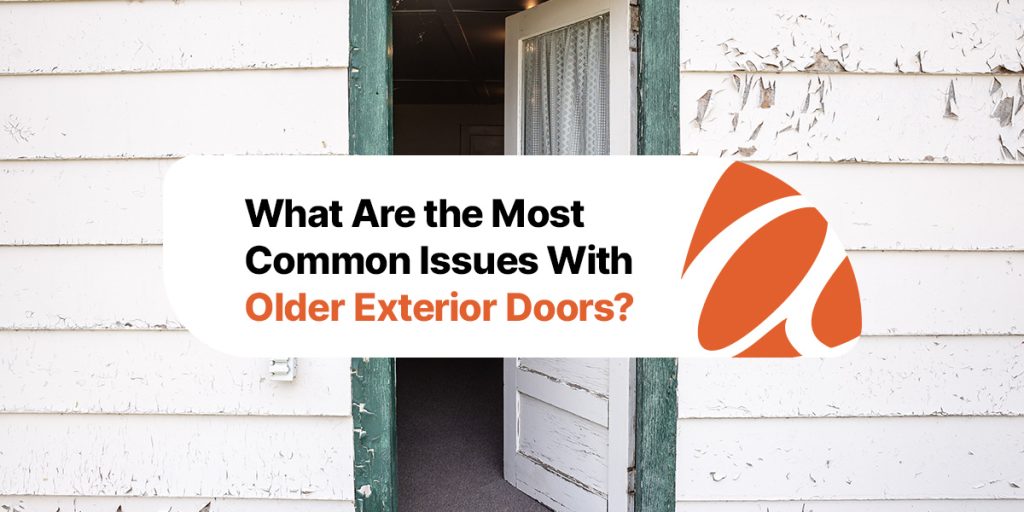
Your exterior door isn’t just sticking anymore — it’s drafty, difficult to lock and starting to show visible damage. These aren’t minor inconveniences you can ignore. A failing door is a weak point in your home’s energy efficiency, security, and curb appeal, and the longer you wait, the more it costs you in wasted energy and potential repairs to the surrounding frame.
4 Telltale Signs of a Failing Exterior Door
If your door is showing its age, you’re likely dealing with one or more of these problems. Use this checklist to diagnose what’s going wrong and understand how serious the issue really is.
1. Constant Drafts and Air Leaks
Feeling a draft around your door is the most obvious sign that something’s wrong. Run your hand along the edges of the frame on a windy day, or hold a lit candle near the seals and watch for flickering. If air is getting through, your weatherstripping has failed, or the door no longer fits properly in the frame.
According to the Department of Energy, doors are a significant source of air leakage in homes. Even small gaps around your door can let in substantial amounts of air, compromising your home’s energy efficiency. That means your heating and cooling system is working overtime to compensate for the air you’re losing. If you’re in a cold climate, upgrading to doors designed for harsh weather can make a noticeable difference in comfort and energy costs.
2. Difficulty Opening, Closing and Locking
If you have to force your door open, lift it to latch it or struggle with the lock, you’re dealing with a structural issue. Doors stick for a few common reasons. Wood doors swell and contract with seasonal humidity changes, especially in Wisconsin’s variable climate. The house may have settled over time, causing the frame to shift out of square. Loose or worn door hinges can also allow the door to sag, throwing off alignment.
This isn’t just frustrating — it’s a security risk. If the lock doesn’t engage properly because the door is misaligned, your home becomes more vulnerable to break-ins. Simple fixes, like tightening hinge screws, can help temporarily, but if the door continues to stick after basic adjustments, the problem is likely beyond a do-it-yourself repair.
3. Visible Damage Like Cracks, Rot or Rust
Different door materials fail in different ways. Wood doors develop cracks in the paint and rot at the bottom where water collects. Steel doors rust if their protective coating gets scratched or chipped. Older fiberglass doors can crack or become brittle after years of sun exposure.
This kind of damage isn’t cosmetic. Once rot or rust sets in, the door’s structural integrity is compromised. A rotting door can’t protect your home from intruders or the elements. If you’re seeing visible deterioration issues, the door is already past the point where a repair makes sense.
4. Moisture, Water Stains or Condensation
Water is the top enemy of an exterior door. Look for water stains on the floor near the threshold, mold or mildew growing around the frame or condensation between the glass panes if your door has windows. All of these are signs that moisture is getting past the seals.
When water intrudes around a door, it can rot the frame, subfloor and even the wall framing behind the trim. What starts as a small leak can turn into a costly repair project if left unchecked.
The Main Reasons Old Doors Fail
Understanding why these common problems with old exterior doors happen helps you make a smarter decision about whether a repair will actually solve the issue or delay the inevitable. Every material responds differently to years of exposure. Wood doors absorb moisture, swell and eventually rot — especially at the bottom where water pools. Steel doors are durable, but once the protective coating is compromised, rust spreads quickly. Older fiberglass doors can become brittle and crack after prolonged exposure to ultraviolet (UV) radiation.
If you’re considering materials for a replacement, comparing modern fiberglass doors versus wood offers a helpful look at how newer materials hold up better over the long term compared to traditional options. Even a perfectly good door can start failing if the house settles unevenly.
Over decades, a home’s foundation shifts slightly, and that movement can throw the door frame out of square. When that happens, the door no longer fits the opening correctly, leading to gaps, sticking and locking problems. This issue is especially common for exterior doors in older homes.
The Hidden Costs of a Bad Door
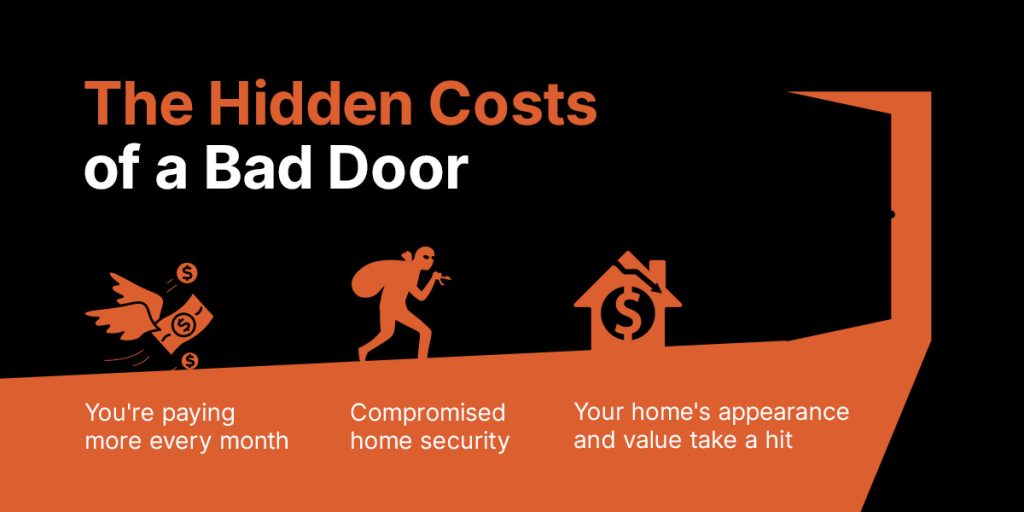
Putting off door repairs? It’s costing you more than you think:
- You’re paying more every month: Every draft around your door is money leaving your home. When conditioned air escapes, your heating and cooling system runs longer to maintain the temperature, driving up your monthly utility bills. Replacing an old door with an ENERGY STAR-certified model can significantly lower energy costs, and qualifying doors may even be eligible for federal tax credits that offset the investment.
- Compromised home security: A weak frame, a rotting door or an outdated lock makes your home more vulnerable. Modern entry doors feature solid-core construction, reinforced frames and multipoint locking systems that are far more secure than standard doors from 20 or 30 years ago. If your door doesn’t close properly or the lock doesn’t fully engage, you’re leaving your home at risk.
- Your home’s appearance and value take a hit: Your front door is the first thing guests see. A worn-out, damaged door creates a poor first impression, while a new door instantly upgrades curb appeal. According to the 2025 Cost vs. Value report, a steel entry door replacement can recoup over 200% of its cost at resale, making it one of the best home improvement investments you can make.
Scenarios Where a Repair Might Be a Temporary Fix
If your door is in decent shape with just one issue, a repair could work. Quick fixes that buy you time:
- Replace worn weatherstripping
- Tighten loose hinge screws
- Upgrade to a new lockset
Why a Full Replacement Is Often the Best Long-Term Investment
If you identified multiple problems from the checklist at the beginning of this guide — drafts and visible damage and sticking — a full replacement is the only way to solve everything permanently. A new pre-hung door system replaces the door, frame and all the seals at once, eliminating every potential failure point.
Whether you need a new Renewal by Andersen® entry door for the front of your home, a sliding patio door system for your backyard, or even a protective storm door from Andersen® for added protection, a professionally installed replacement gives you decades of trouble-free performance, better energy efficiency and improved security.
Get Started With Asher
For over 52 years, Asher has helped homeowners in Wisconsin invest in lasting quality through expertly installed doors. Every door is custom-made to fit your home perfectly, combining exceptional craftsmanship with professional installation done right the first time.
Our team will help you find the right door solution for your home’s specific needs. If you’ve identified multiple problems with your exterior door, a full replacement offers the permanent solution you’re looking for. Call us today at 715-832-7282 or reach out to discuss your project and receive a free in-home consultation. You can also visit our showrooms in Chippewa Falls or Onalaska.
